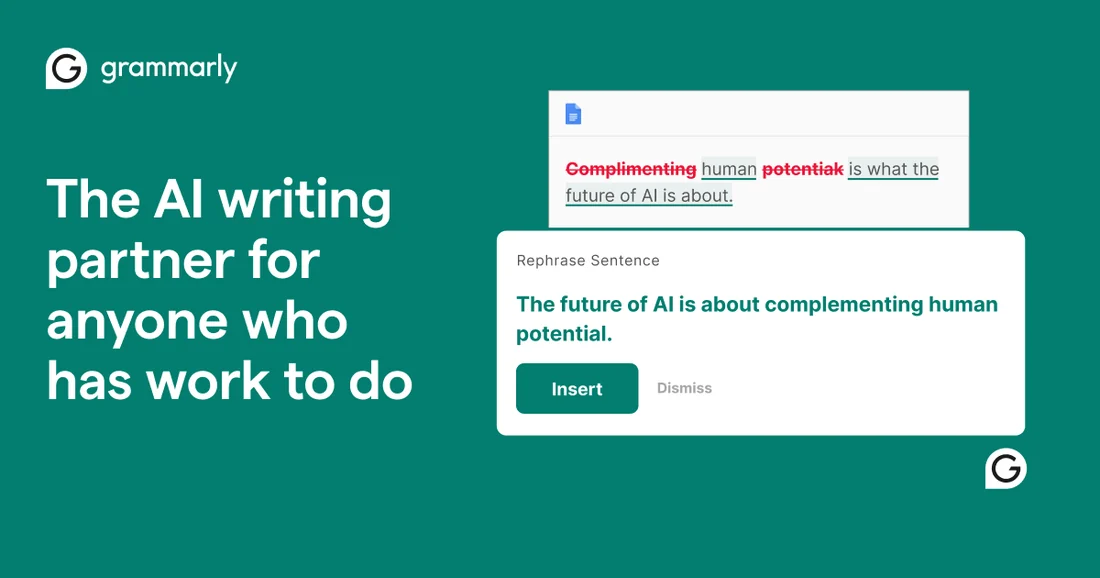
Grammarly's own plans page draws the free-to-Pro line
Grammarly's current pricing and support pages state what free, Pro and Enterprise tiers include, as retrieved in September 2026.
3 min · source-led record↗
Explore / Inside the tools
Read the documentation, look at the interface and test the handoff.
No matching record. Try fewer words or reset the filters.
Grammarly's current pricing and support pages state what free, Pro and Enterprise tiers include, as retrieved in September 2026.
Sudowrite's own plans page ties its tiers to monthly AI credits rather than word counts, as retrieved in September 2026.
Jasper's own trial and pricing pages describe a platform built for brand content, not book-length prose, as retrieved in September 2026.
Notion's own help center and product pages describe AI writing tools inside its existing workspace, as retrieved in September 2026.
Google's March 2023 announcement and its current Docs help page describe the same drafting feature under different names.
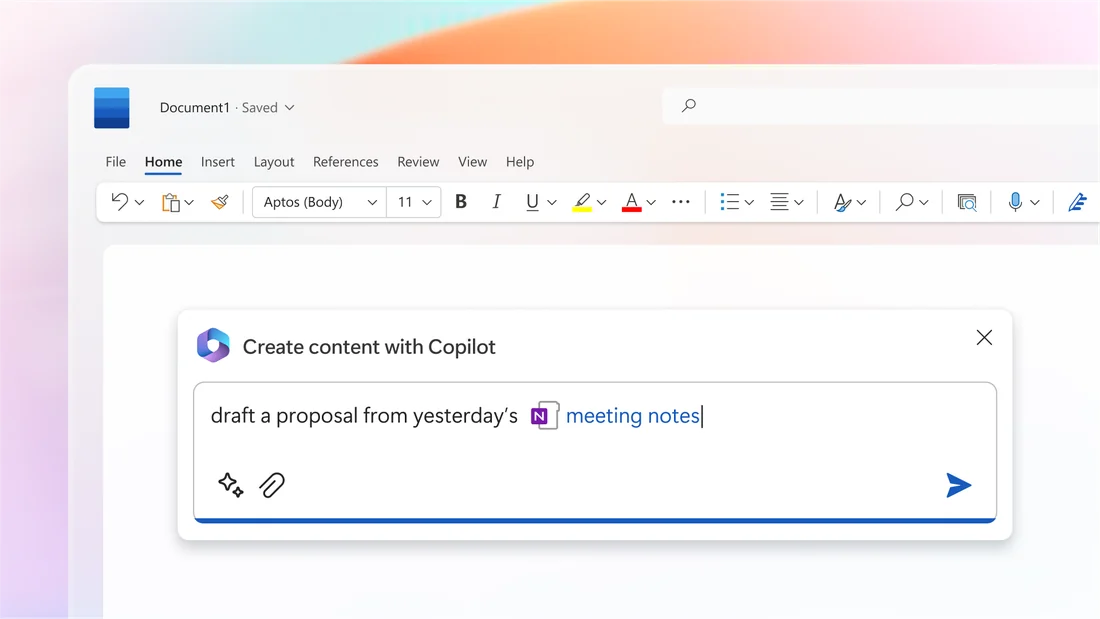
Microsoft's March 2023 announcement and current support page describe what Copilot in Word drafts, rewrites and requires you to verify.
ProWritingAid's own pricing tiers and a separate data-safety page describe cost and manuscript handling, as retrieved in September 2026.
LanguageTool's premium page and privacy policy state what Premium adds and that inputs are not used to train its models.
OpenAI's original November 2022 post and its February 2023 Plus announcement mark what changed and what stayed free.
OpenAI's and Anthropic's own help pages both flag confident-sounding errors as a named risk for writing and research tasks.
Elicit's own pricing page limits its claims to searching, summarizing and extracting from a defined set of papers and trials.
Scite's own site defines Smart Citations as showing support, challenge or discussion, not just recording a reference.
ACX's own royalty page sets two production-cost models and two royalty tiers due to converge by the end of 2026.
Apple's authors documentation sets eligibility and voice rules for digital narration, present on its site by January 2023.
Amazon's content guidelines extend AI-generated disclosure to translations, and its own translation tool adds a licensing term.
OpenAI's own pages show consumer plans default to training use with an opt-out, while business tiers default to none.
ElevenLabs' own terms and use policy require consent or legal right before a real person's voice can be replicated.
DeepL separates a marketed accuracy claim from a concrete difference in what a free versus a paid account retains.
Google's help pages describe quote-level citations restricted to a user's chosen sources, not open web retrieval.
Perplexity's own documentation states each answer links to numbered citations that the user is expected to verify.