The writer's problem
A writer or editor choosing a grammar and style checker for a manuscript has to decide between a free tool and a paid one, and the difference is not obvious from a homepage banner alone. Grammarly publishes its own plans page listing what each tier includes, and a separate support article that breaks down exactly what a Pro subscription costs and how it bills. Reading both together, rather than either alone, is what actually answers the question a working writer asks: what do I get, and what does it cost per month if I commit for a year.
What the documents show
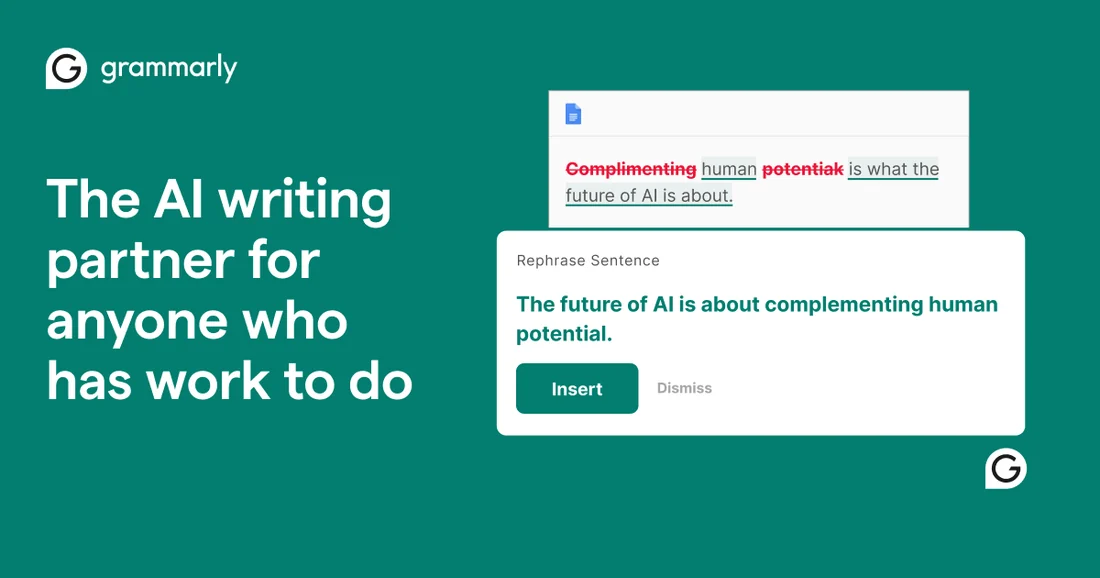
As retrieved on 16 September 2026, Grammarly's plans page states the free tier includes spelling and grammar checks, tone detection, and 100 AI prompts a month at no cost. The Pro tier adds full-sentence rewrites, tone adjustment, plagiarism detection, an AI-generated-text identification feature, and 2,000 monthly AI prompts per member. Grammarly's support article on Pro pricing lists three billing options: 30 US dollars per member monthly, 60 dollars per member per quarter, or 144 dollars per member annually, about 12 dollars a month. The article also states plans allow up to 149 seats and rules out gift, lifetime or one-time plans. These are Grammarly's own claims, current only as of the retrieval date, not independently audited figures.
The editorial choice
For a working writer, the more useful distinction is not the headline price but the monthly AI-prompt ceiling and which correction types sit behind the paywall. A hundred prompts a month on the free tier can be exhausted quickly during a heavy revision pass, while full-sentence rewrites and the plagiarism and AI-text checks are Pro-only. An author revising a full manuscript should weigh the monthly prompt cap and seat count against the per-member price, rather than treating the lowest advertised number as the real cost across a whole project.
What stays with the author
Neither document addresses what happens to a manuscript's text after it passes through the checker, so that question is outside what these two sources resolve here. What both pages agree on is that Grammarly frames itself as a checking and suggestion layer, not an editor: it flags and proposes, and the writer decides what to accept. Whatever tier is purchased, the responsibility for the final sentence, and for verifying that a suggested rewrite has not changed the meaning, stays with the person who wrote it.
- Does the free tier's monthly prompt limit cover a full revision pass, or only light copyediting?
- Which corrections are genuinely tier-gated, and which are cosmetic differences in presentation?
- What does the seat and billing structure cost across a full manuscript's editing timeline, not just per month?
Grammarly's own pages answer the pricing question precisely and the data-handling question not at all here; a writer comparing checkers should treat the first as settled and the second as still open.
Follow the source.
States what the free, Pro and Enterprise tiers include as currently offered.
Source date: Not established · Retrieved: 16 Sept 2026
Gives exact Pro billing amounts, seat limits and stated payment methods.
Source date: Not established · Retrieved: 16 Sept 2026
Site publication is not established by an event date. Original record ID: 0030-bf-031. This local design review does not change its editorial status.