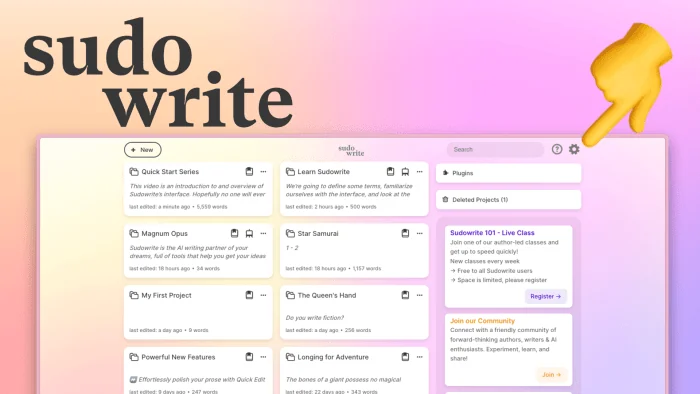
One writing tool keeps brainstorming apart from full drafting
Sudowrite's staged outline tools and Notion AI's blended prompts show two different vendor answers to where assistance starts.
3 min · source-led record↗
Explore / Draft & revise
Get a useful first pass without losing the point of the piece.
No matching record. Try fewer words or reset the filters.
Sudowrite's staged outline tools and Notion AI's blended prompts show two different vendor answers to where assistance starts.
Both vendors document a tone or rewrite feature that changes register, not claims, a narrower job than full drafting.
OpenAI, Anthropic and ProWritingAid document different training and retention rules depending on which product tier is used.
Word's documentation shows tracked changes record a self-entered name, with no built-in category for AI-generated edits.
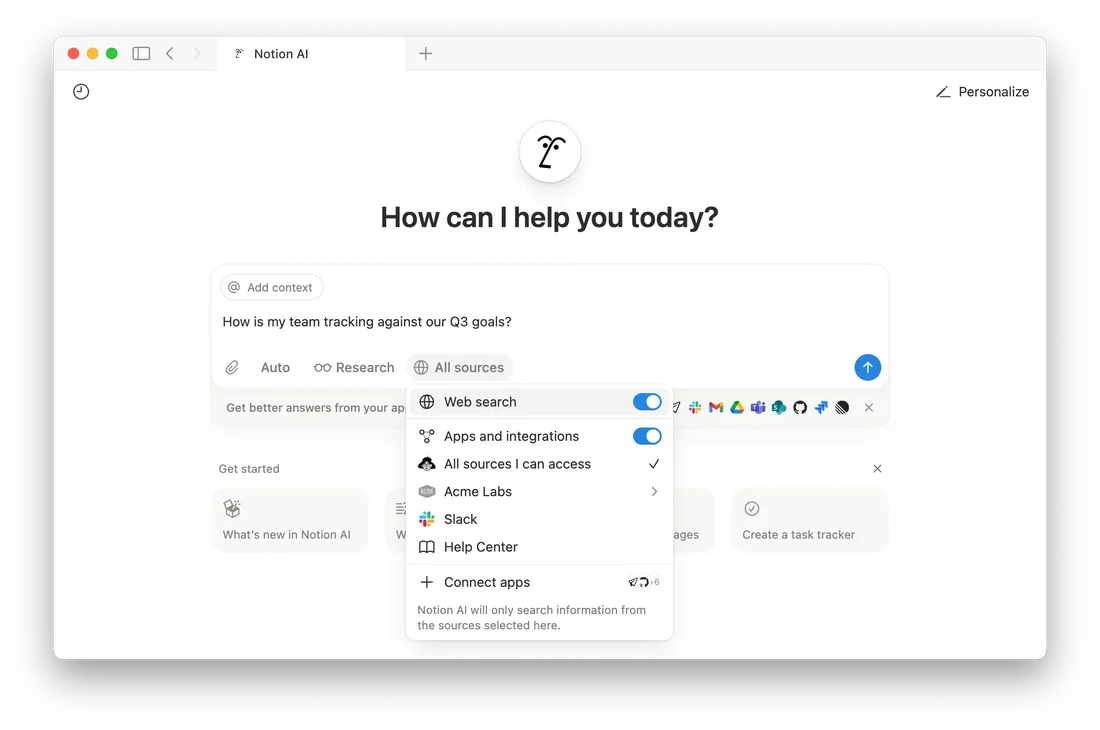
OpenAI and Notion each instruct users to check generated text against sources before treating it as finished.
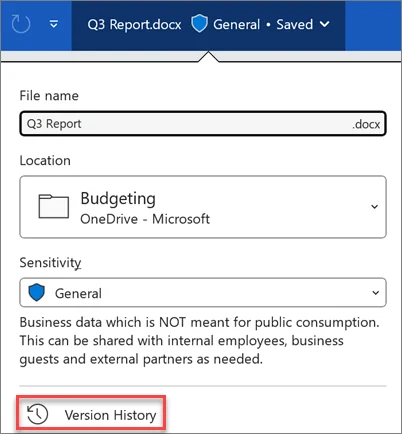
Google's and Microsoft's documentation show version history records timing and access, not whether text was AI-generated.
APA requires a methods-section disclosure, while WAME's recommendations ask for the prompts and dates behind the drafting.
ProWritingAid's own pages frame its Virtual Beta Reader report as feedback before human readers, not a substitute for one.
DeepL's benchmark page cites reduced post-editing, and KDP's rule keeps a machine translation AI-generated after edits.
Elicit's and Scite's documentation describe sentence-level citation records that a claim ledger practice would draw on.